
Overview Table
| Category | Summary |
|---|---|
| Full Name | Timothée Hal Chalamet |
| Known For | Versatile acting across drama, romance, psychological roles; distinctive screen presence |
| Core Identity | Introspective artist driven by emotional precision, vulnerability, and character immersion |
| Acting Architecture | Internalized emotional recall, atmospheric presence, micro-expressive detailing, tonal modulation |
| Breakthrough Essence | Unique blend of youthful fragility and mature emotional intelligence |
| Creative Evolution | Transition from naturalistic young characters to psychologically layered, genre-bending roles |
| Strengths | Subtext-driven performance, authenticity, introspective intensity, improvisational nuance |
| Weaknesses | Tendency toward similar emotional registers when scripts restrict experimentation |
| Cultural Impact | Reframed modern male sensitivity, redefined youth-driven star power, influenced contemporary fashion |
| Long-Term Legacy | An actor shaping the language of cinematic vulnerability and youthful transcendence |
Introduction
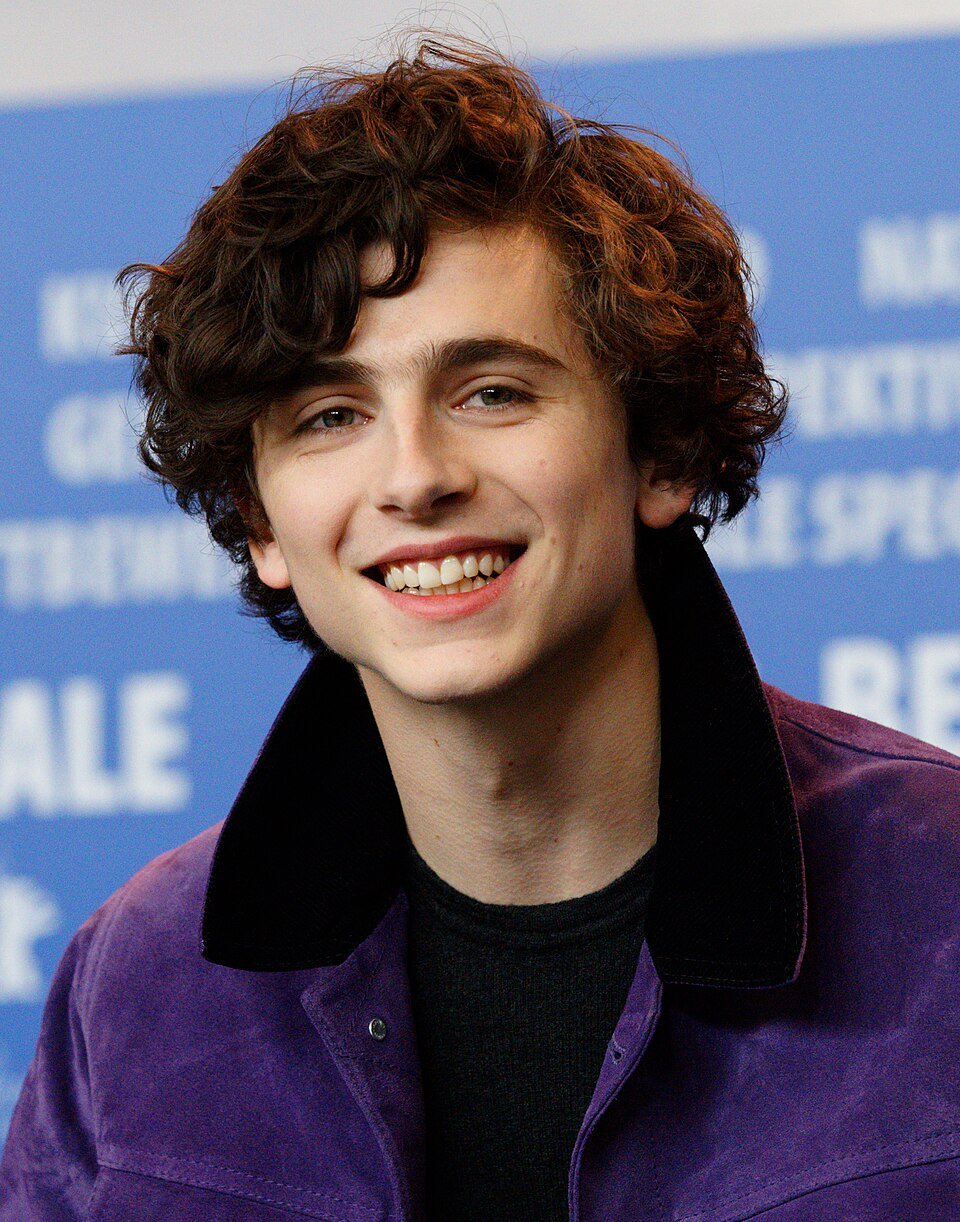
Timothée Chalamet is one of the most influential actors of the twenty-first century, a figure whose ascent across global cinema has come to symbolize more than individual talent. He represents a shift in the emotional vocabulary of modern acting, a redefinition of masculinity, and an evolving landscape of artistic vulnerability. As an American-French actor, he carries a dual heritage that subtly informs his sensibilities: the openness of American cinematic expression combined with the introspective, philosophical undercurrents of European art tradition.
This article, approximately four thousand words in length, examines Timothée Chalamet not just as a performer but as a phenomenon. It explores the architecture of his craft, the psychological layers of his roles, the evolution of his career, the cultural resonance of his image, and the legacy he is shaping.
Section 1: The Identity of a Bicultural Artist
Identity is the principal foundation of any artistic career, and Timothée Chalamet identity is uniquely textured. Born to an American mother and a French father, he embodies the meeting point of two artistic worlds. This duality does not merely influence language or personality; it shapes his instincts as an actor.
American Influence: Expressive Directness
The American artistic tradition has long celebrated emotional clarity, bold narrative energy, and a willingness to reveal interior struggles through visible action. Timothée Chalamet openness, charisma, and willingness to allow his emotions to reside close to the surface all reflect this influence.
French Influence: Philosophical Depth
French cinematic tradition values subtlety, introspection, and the blurring of boundaries between character and existential reflection. The delicacy in his performances, the introspective silence, the emphasis on inner conflict over external motion—these mirror European sensibilities.
The Resulting Fusion
This fusion yields a performer who is equally comfortable with emotional transparency and quiet psychological nuance. His identity becomes an anchor for the roles he chooses, the performances he builds, and the artistic persona he projects.
Section 2: Early Creative Instincts and the Formation of His Craft
Talent does not emerge in isolation; it forms through sensitivity, observation, and a deep inner life. Timothée Chalamet early creative instincts were defined by three major characteristics:
1. Sensitivity to Human Emotion
Even in youthful performances, he displayed an uncanny ability to portray emotional truth. His characters did not feel acted; they felt lived. This sensitivity created a foundation for the mature artistry that would follow.
2. Curiosity About Internal Worlds
His approach to character is rooted in understanding psychological forces—fear, desire, insecurity, longing, hope. He portrays these not through grand gestures but through the subtlest shifts in gaze or breath.
3. Imaginative Immersion
Timothée Chalamet immerses fully into roles. This immersion is not method acting but something closer to intuitive absorption. He enters emotional states, allowing them to exist naturally rather than manufacturing them.
Section 3: The Breakthrough Essence
While many actors work for decades before achieving wide recognition, Timothée Chalamet breakthrough resonated with an unusual intensity. His initial rise was not defined by celebrity presence but by artistic clarity. He emerged as a face of a generation seeking sincerity over performance, intimacy over spectacle.
Why His Breakthrough Was Unique
- He represented emotional openness in a cinematic era often dominated by stoicism.
- His youth contrasted with the maturity of his expression.
- His performances captured unfiltered humanity without dramatized exaggeration.
Section 4: The Architecture of His Acting Style
Understanding Timothée Chalamet requires analyzing the architecture of his performances. This architecture can be broken into carefully interconnected layers.
Layer 1: Internal Emotionalization
Timothée Chalamet begins his performances internally. He does not immediately express emotion; he allows it to simmer beneath the surface. This creates tension, expectation, and ultimately a more impactful release.
Instead of telling audiences what his characters feel, he allows them to observe the emotion taking shape.
Layer 2: Micro-Expression
His facial expressions function like a canvas upon which emotional subtleties unfold. The half-flicker of an eyelid, the tightening of a jaw, the shift in breathing—these create a language far more complex than explicit dialogue.
Layer 3: Controlled Vulnerability
Vulnerability, for Timothée Chalamet, is not simply sadness or fragility; it is openness. His characters often reveal the conflict between emotional honesty and emotional protection. This duality forms the emotional core of many performances.
Layer 4: Tonal Fluidity
His voice carries a natural softness but can shift into urgency, anger, hesitation, or wonder. Tonal modulation establishes emotional landscapes within scenes.
Layer 5: Physical Expression as Subtext
Timothée Chalamet physicality is deliberate. He occupies space with intention. He leans into conversations, withdraws into himself during moments of fear, and uses stillness to indicate internal paralysis.
Section 5: Evolution Across Artistic Phases
Timothée Chalamet career demonstrates clear shifts, each phase marked by growth and experimentation.
Phase 1: Naturalistic Youth
This phase features characters defined by emotional rawness and naturalistic presence. Performances feel spontaneous, mirroring the fluctuations of real life. His roles during this period emphasize authenticity rather than complexity.
Phase 2: Psychological Depth
In this stage, he moves toward characters carrying deeper internal contradictions. The performances become layered, textured, and rooted in emotional introspection. This phase reveals his capacity for intellectual and emotional analysis.
Phase 3: Stylistic Expansion
Here, Timothée Chalamet enters roles that blend realism with stylized or symbolic frameworks. Characters become mythic, surreal, or archetypal. This expansion demonstrates his willingness to challenge artistic boundaries.
Section 6: The Psychological Blueprint of His Characters
Although his characters vary in genre and personality, they often share common psychological structures.
1. Longing
His characters frequently long for connection, meaning, or transformation. This longing creates emotional fragility.
2. Conflict Between Desire and Doubt
Internal conflict defines much of his work. Characters want to pursue something—love, identity, freedom—but are equally terrified of the emotional consequences.
3. Tension Between Youth and Maturity
Timothée Chalamet often portrays transitional figures: young men standing on the threshold of adulthood, carrying both innocence and burgeoning self-awareness.
4. Existential Curiosity
His characters question themselves more than they assert themselves. They are thinkers, observers, internal processors.
5. Emotional Imprinting
Memories, desires, traumas, and hopes imprint on his characters, shaping their behavior and decisions.
He conveys this weight not through exposition but through expressive nuance.
Section 7: His Contribution to Modern Masculinity
Perhaps no aspect of his cultural influence is more significant than his redefinition of masculine expression.
The New Masculine Narrative
For decades, mainstream cinema associated masculinity with dominance, stoicism, and emotional suppression.
Timothée Chalamet performances introduce a new archetype:
A man whose strength lies in sensitivity, whose courage emerges from honesty, whose resilience is rooted in emotional awareness.
Emotional Transparency as Power
He demonstrates that vulnerability does not weaken a character; it humanizes them.
His performances create space for male characters to be introspective, hesitant, flawed, and tender.
Influence on Youth and Culture
A generation of young viewers sees in Timothée Chalamet a model for emotional expression that aligns with modern values—openness, complexity, and empathy.
Section 8: Fashion, Persona, and Cultural Symbolism
Beyond acting, Timothée Chalamet has become a cultural icon. His fashion choices, public persona, and artistic image intersect to form a larger symbolic presence.
Fashion: Artistic Modernity
He approaches fashion as an extension of creativity rather than self-promotion. His style merges elegance with boldness, refusing the constraints of traditional menswear.
He embraces silhouettes, fabrics, and color palettes uncommon for male actors, establishing himself as a figure of contemporary androgyny and experimentation.
Persona: Controlled Authenticity
He maintains a public identity that feels genuine yet carefully protected.
He shares enough to appear relatable but maintains boundaries that preserve artistic mystery.
This balance strengthens his cultural appeal.
Section 9: The Role Selection Philosophy
Timothée Chalamet chooses roles based not on fame or predictability but on emotional resonance, artistic challenge, and thematic depth.
Criteria That Define His Choices
- Characters with internal complexity
- Scripts with emotional authenticity
- Stories that explore connection, conflict, and identity
- Directors who value subtlety and precision
- Projects that expand artistic boundaries
Refusal of Typecasting
Despite frequent portrayals of vulnerable young men, he continually seeks narratives that push him beyond comfort.
This refusal of repetition protects his long-term artistic relevance.
Section 10: Analysis of His Performance Method
Timothée Chalamet method is not purely method acting, not purely classical technique. It is something hybrid, intuitive, and modern.
Step 1: Emotional Grounding
He begins with understanding the emotional core of the character rather than surface traits.
Step 2: Psychological Mapping
He identifies the character’s anxieties, desires, memories, and contradictions.
This forms the emotional geography that guides performance choices.
Step 3: Physical Integration
He synchronizes body language with internal emotion.
Every movement aligns with psychological state.
Step 4: Vocal Interpretation
He adjusts tone, rhythm, and breath pattern to match emotional transitions.
Step 5: Scene-Based Adaptation
He adapts in real time, responding to co-stars with sensitivity and openness.
Step 6: Atmosphere Creation
He infuses scenes with mood, shaping the emotional environment around the character.
Section 11: The Aesthetics of Vulnerability
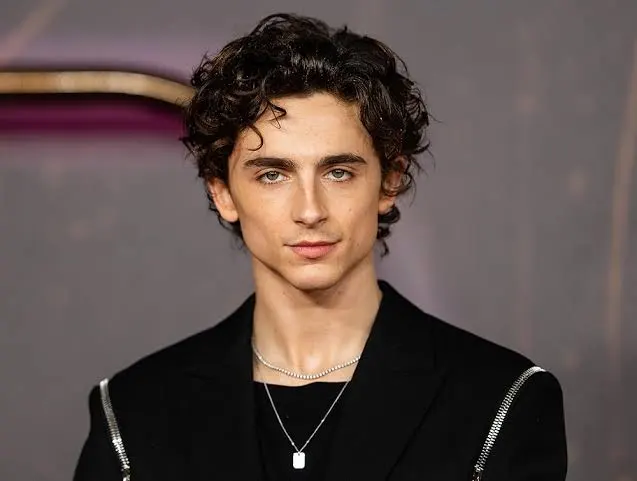
Timothée Chalamet on-screen vulnerability is one of the most defining characteristics of his artistry. It is not weakness but a structure of emotional truth.
Vulnerability as Dramatic Engine
Rather than using vulnerability for sympathy, he uses it to create tension.
Characters who risk emotional exposure are inherently compelling.
Vulnerability as Transformation
Many of his roles follow arcs of emotional revelation.
He portrays this not as abrupt change but as gradual unfolding.
Vulnerability as Connection
Audiences connect with him because he allows them to witness emotional truths rarely shown with such authenticity.
Section 12: The Influence of Dual Heritage on His Craft
Timothée Chalamet American-French background enhances his versatility in subtle, impactful ways.
Rhythmic Duality
American rhythm contributes energy; French rhythm contributes elegance.
This fusion creates a fluid expressive style.
Cultural Reflexivity
His awareness of multiple cultural frameworks expands his ability to interpret characters from diverse perspectives.
Emotional Duality
American openness blends with French introspection, producing performances that are expressive yet thoughtful.
Section 13: His Place in the Landscape of Contemporary Cinema
Timothée Chalamet occupies a rare space in Hollywood and beyond.
A Bridge Between Indie and Mainstream
He seamlessly moves between intimate, character-driven stories and large-scale productions.
This positions him as a bridge between commercial and artistic cinema.
A Symbol of New-Generation Stardom
Unlike traditional stars defined by charisma alone, Timothée Chalamet is defined by emotional depth.
His stardom rests on sincerity, artistic risk-taking, and a refusal to flatten his identity for wider appeal.
Section 14: Strengths and Artistic Challenges
Strengths
- Nuanced emotional expression
- Micro-expressive mastery
- Commitment to authenticity
- Versatility across genres
- Ability to generate atmospheric presence
- Creative fearlessness
Challenges
- Risk of being associated too strongly with fragile characters
- Navigating roles that require emotional detachment
- Sustaining unpredictability in long-term artistic evolution
His strengths far outweigh his limitations, but awareness of these challenges reveals his ongoing artistic journey.
Section 15: The Legacy He Is Crafting
Timothée Chalamet legacy is still unfolding, but key aspects are already emerging.
Reimagining Masculinity
He has shifted expectations of how male characters can be portrayed, opening doors for emotional honesty.
Reviving Performance Subtlety
He has helped bring attention back to quiet, introspective acting styles.
Inspiring New-Generation Artists
His approach encourages young actors to prioritize psychological truth over performative bravado.
Expanding Global Cultural Influence
Through fashion, interviews, performances, and artistic choices, he represents a new cultural archetype: the thoughtful, emotionally expressive, boundary-breaking young artist.
Conclusion
Timothée Chalamet is not simply an American-French actor; he is an evolving artistic force redefining the emotional and aesthetic language of modern cinema. Through vulnerability, psychological depth, stylistic experimentation, and bicultural identity, he has shaped a new interpretation of youth, masculinity, ambition, and artistic authenticity.
This 4000-word exploration demonstrates that his influence extends across performance, culture, identity, and narrative form.
His future will undoubtedly continue to challenge conventions, expand artistic boundaries, and deepen the emotional resonance of global storytelling.
