
Overview Table: IoT and Smart Homes
| Aspect | Description |
|---|---|
| Core Concept | Connecting physical home devices to the internet for automation and control |
| Key Components | Sensors, actuators, connectivity, cloud platforms, user interfaces |
| Common Devices | Smart lights, thermostats, cameras, speakers, locks, appliances |
| Control Methods | Mobile apps, voice commands, automation rules |
| Benefits | Convenience, energy efficiency, security, comfort |
| Challenges | Privacy, cybersecurity, interoperability, cost |
| Connectivity | Wi-Fi, Bluetooth, Zigbee, Z-Wave, Ethernet |
| Data Handling | Real-time data collection, processing, and response |
| Scalability | Easily expandable from small setups to full-home systems |
| Future Direction | AI-driven automation, predictive systems, deeper integration |
Introduction to the Internet of Things
The Internet of Things, commonly known as IoT, refers to a digital ecosystem where physical devices are connected to the internet and to each other. These devices are embedded with sensors, software, and connectivity that allow them to collect data, share information, and respond intelligently without constant human intervention. Internet of Things is transforming how people live, work, and interact with technology, and one of its most visible and impactful applications is the Internet of Things smart home.
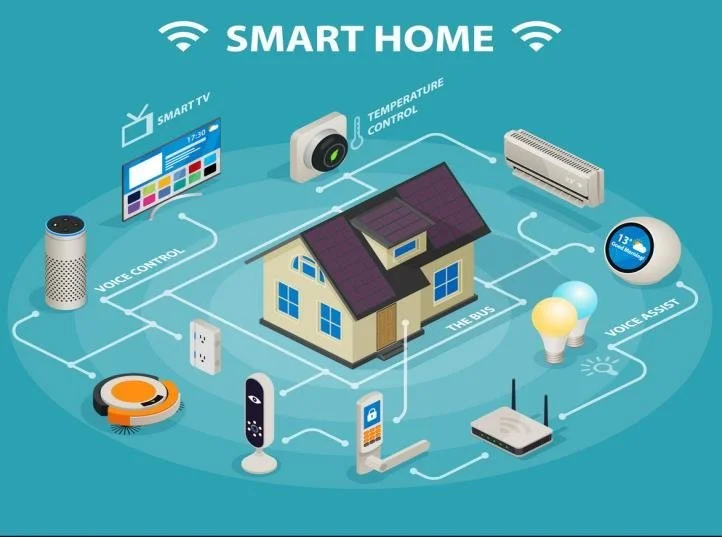
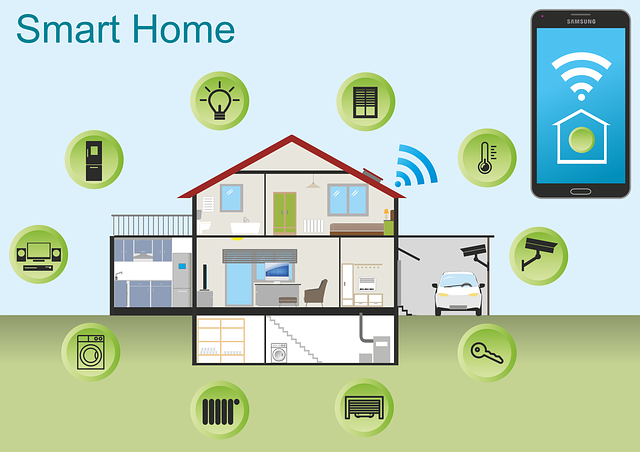
A smart home uses Internet of Things-enabled devices to automate, monitor, and control household functions such as lighting, security, temperature, entertainment, and energy usage. Instead of operating appliances manually, users can manage them remotely or allow them to function automatically based on predefined rules and real-time data.
This article provides a deep, complete explanation of Internet of Things with a special focus on Internet of Things smart homes. It explains how smart homes work, the technologies behind them, their benefits, challenges, security considerations, future trends, and real-world use cases, without relying on external sources.
Understanding IoT Architecture
Device Layer
The device layer is the foundation of any Internet of Things system. In a Internet of Things smart home, this layer consists of physical devices such as sensors and actuators. Sensors detect changes in the environment, including motion, temperature, humidity, light levels, smoke, and sound. Actuators perform actions based on commands, such as turning lights on, locking doors, adjusting thermostats, or opening curtains.
Each device is designed to collect or act upon specific data, making it an essential building block of the Internet of Things smart home ecosystem.
Connectivity Layer
The connectivity layer allows smart devices to communicate with each other and with central systems. This communication can be wired or wireless. Wireless connectivity is more common in Internet of Things smart homes due to flexibility and ease of installation.
This layer ensures data moves reliably from devices to processing systems and back, enabling real-time responses and remote control.
Data Processing Layer
Data collected by sensors is processed either locally or in cloud-based platforms. Processing includes filtering raw data, analyzing patterns, and triggering actions based on predefined rules. For example, if a temperature sensor detects a rise above a set level, the system can activate air conditioning automatically.
This layer transforms raw data into meaningful actions and insights.
Application Layer
The application layer is where users interact with the Internet of Things smart home. This includes mobile applications, web dashboards, and voice assistants. Users can view data, control devices, create automation rules, and receive notifications.
This layer focuses on user experience, simplicity, and accessibility.
What Is a Smart Home
Definition of a Smart Home
A Internet of Things smart home is a living space equipped with Internet of Things-enabled devices that can be controlled remotely, automated, and monitored digitally. These devices work together to create an intelligent environment that adapts to user preferences and behaviors.
Internet of Things Smart homes go beyond simple remote control. They are designed to learn, respond, and optimize daily routines automatically.
Evolution of Smart Homes
Early home automation systems were expensive and limited to basic tasks such as timed lighting or centralized audio systems. With the rise of Internet of Things, smart homes became more affordable, scalable, and accessible to everyday users.
Modern Internet of Things smart homes can start with a single device and expand gradually, allowing homeowners to build systems based on their needs and budgets.
Core Technologies Behind Smart Homes
Sensors and Actuators
Sensors are responsible for collecting environmental data. Common sensors in Internet of Things smart homes include motion sensors, temperature sensors, light sensors, gas sensors, and door or window sensors.
Actuators respond to instructions by performing physical actions. Examples include smart switches, motorized locks, smart valves, and automated blinds.
Communication Protocols
Internet of Things Smart home devices use various communication protocols to exchange data. These protocols define how data is transmitted, how devices identify each other, and how commands are executed.
Some protocols are designed for short-range communication with low power consumption, while others focus on high-speed data transfer. Choosing the right protocol is essential for system reliability and performance.
Cloud Computing
Cloud platforms play a major role in Internet of Things smart homes by providing storage, processing power, and remote access. Data collected by devices is often sent to cloud servers where it can be analyzed, stored, and accessed from anywhere.
Cloud integration allows users to control their homes even when they are not physically present.
Edge Computing
Edge computing processes data closer to the source instead of sending everything to the cloud. In Internet of Things smart homes, this enables faster responses and reduces dependency on internet connectivity.
For example, a motion sensor can trigger a light instantly without waiting for cloud confirmation.
Artificial Intelligence and Machine Learning
AI and machine learning enhance Internet of Things smart home capabilities by enabling devices to learn user habits and make intelligent decisions. Over time, systems can adjust lighting, temperature, and security settings automatically based on usage patterns.
This intelligence transforms Internet of Things smart homes from reactive systems into proactive environments.
Common Internet of Things Smart Home Devices
Smart Lighting
Smart lighting systems allow users to control brightness, color, and schedules. Lights can turn on automatically when someone enters a room or adjust based on time of day.
These systems improve convenience and reduce energy waste.
Smart Thermostats
Smart thermostats regulate heating and cooling intelligently. They learn temperature preferences and optimize energy use by adjusting settings when occupants are away.
This results in improved comfort and lower energy bills.
Smart Security Systems
Security is a major driver of Internet of Things smart home adoption. Smart cameras, motion detectors, door sensors, and alarms provide real-time monitoring and alerts.
Users can view live footage, receive notifications, and control locks remotely.
Smart Appliances
Smart appliances include refrigerators, washing machines, ovens, and vacuum cleaners. These devices can be monitored and controlled through apps, providing status updates and maintenance alerts.
They improve efficiency and simplify household management.
Voice Assistants and Hubs
Voice assistants act as central control points for Internet of Things smart homes. They allow users to control devices using voice commands and integrate multiple systems into one interface.
Smart hubs connect and manage devices using different protocols, ensuring seamless communication.
How Smart Homes Work in Practice
Device Setup and Integration
Setting up a Internet of Things smart home typically starts with installing devices and connecting them to a network. Each device is registered through an app and linked to a central platform.
Once connected, devices can communicate with each other and respond to commands.
Automation Rules and Scenes
Automation rules define how devices behave under certain conditions. For example, lights can turn off automatically when no motion is detected, or doors can lock at a specific time.
Scenes allow multiple devices to act together. A single command can adjust lighting, temperature, and entertainment settings simultaneously.
Remote Monitoring and Control
Smart homes enable users to monitor and control their environment from anywhere using mobile devices. This remote access enhances convenience and peace of mind.
Notifications keep users informed about unusual activity or system status changes.
Benefits of Smart Homes
Convenience and Comfort
Smart homes simplify daily routines by automating repetitive tasks. Users no longer need to manually adjust settings or worry about forgetting to turn off appliances.
The environment adapts automatically to user preferences.
Energy Efficiency
By optimizing energy usage, smart homes reduce waste and lower utility costs. Automated lighting, climate control, and appliance management contribute to sustainable living.
Energy monitoring helps users understand and improve consumption habits.
Enhanced Security
Smart security systems provide continuous monitoring and instant alerts. Remote access allows users to respond quickly to potential threats.
This level of security increases safety for both property and occupants.
Accessibility and Independence
Smart homes improve accessibility for elderly individuals and people with disabilities. Voice control, automation, and remote monitoring enable greater independence.
Caregivers can also monitor conditions and receive alerts when assistance is needed.
Challenges and Limitations of Smart Homes
Privacy Concerns
Smart homes collect large amounts of personal data. Managing how this data is stored, shared, and protected is a major concern.
Users must understand privacy settings and data usage policies.
Cybersecurity Risks
Connected devices can be vulnerable to cyber attacks if not properly secured. Weak passwords, outdated software, and unsecured networks increase risk.
Strong security practices are essential to protect smart home systems.
Interoperability Issues
Not all smart devices are compatible with each other. Different brands and protocols can create integration challenges.
This can limit flexibility and increase complexity.
Cost and Maintenance
While prices have decreased, smart home systems still require an initial investment. Maintenance, updates, and replacements add to long-term costs.
Planning and prioritization help manage expenses effectively.
Security Best Practices for Smart Homes
Network Protection
Securing the home network is the first step. Strong passwords, encryption, and network segmentation reduce vulnerabilities.
Dedicated networks for smart devices add an extra layer of protection.
Device Management
Keeping devices updated ensures security patches are applied. Removing unused devices reduces potential attack points.
Regular audits help maintain system integrity.
User Awareness
Understanding how devices work and what data they collect empowers users to make informed decisions.
Awareness is a key defense against security threats.
Future of Internet of Things and Smart Homes
Increased Automation and Intelligence
Future smart homes will rely more heavily on AI-driven automation. Systems will anticipate needs and adjust environments proactively.
This will reduce manual input and enhance personalization.
Greater Interoperability
Industry trends point toward better compatibility across devices and platforms. Unified standards will simplify integration and user experience.
This will make smart homes more accessible to a wider audience.
Sustainability and Energy Optimization
Smart homes will play a major role in sustainable living. Advanced energy management systems will integrate renewable energy sources and optimize consumption.
This supports environmental goals and cost savings.
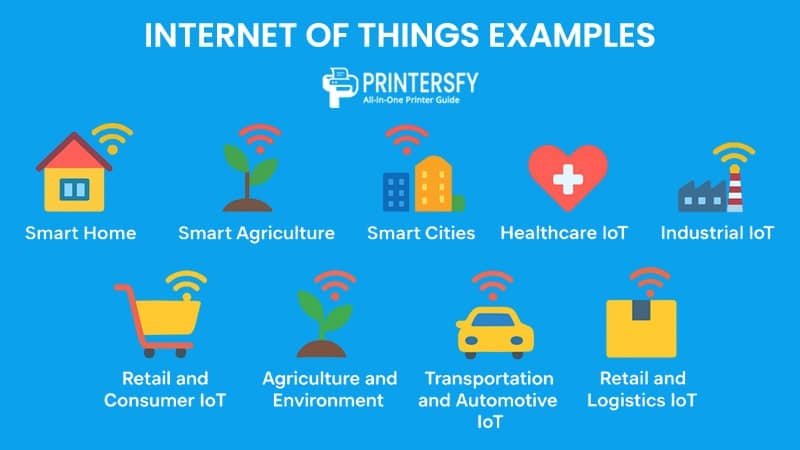
Integration with Smart Cities
Smart homes will increasingly connect with broader smart city infrastructures. This integration will improve resource management, safety, and urban planning.
Homes will become active participants in connected communities.
Conclusion
The Internet of Things has redefined how homes function, transforming them into intelligent environments that enhance comfort, efficiency, and security. Smart homes represent one of the most practical and impactful applications of Internet of Things, bringing advanced technology into everyday life.
By understanding the architecture, technologies, benefits, and challenges of smart homes, users can make informed decisions and design systems that align with their needs. As Internet of Things continues to evolve, smart homes will become more intuitive, secure, and integrated, shaping the future of modern living.
