
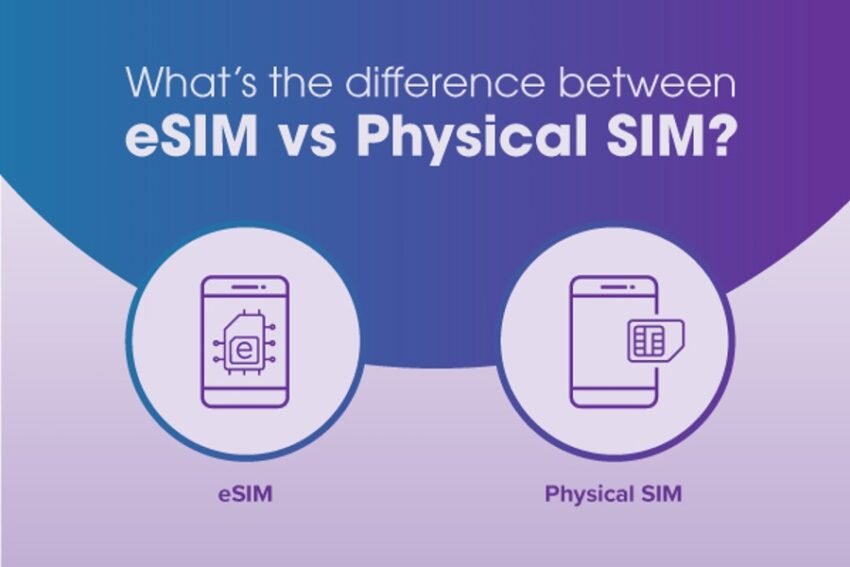
Overview Table: eSIM vs Physical SIM
| Feature | eSIM | Physical SIM |
|---|---|---|
| Form factor | Embedded digital SIM | Removable plastic card |
| Installation | Digital activation via QR code or app | Manual insertion into SIM tray |
| Switching networks | Easy and fast | Requires SIM replacement |
| Device dependency | Tied to device hardware | Can be moved between devices |
| Space usage in device | Saves internal space | Requires SIM slot |
| Risk of loss | Cannot be lost or damaged | Can be lost or damaged |
| Travel convenience | High, multiple profiles supported | Lower, needs local SIM |
| Availability | Limited in some regions | Widely available |
| Repair and resale | More complex | Easier |
| Future readiness | High | Moderate |
Introduction to SIM Technology
SIM technology has been at the core of mobile communication for decades. A SIM, or Subscriber Identity Module, is what allows your phone to connect to a cellular network, authenticate your identity, and access services such as calls, messages, and mobile data. Over time, SIM technology has evolved from large plastic cards to tiny chips embedded directly into devices. Today, users often face a choice between the traditional physical eSIM vs Physical SIM.
Understanding the differences between eSIM and physical SIM is important because this choice affects convenience, device compatibility, security, travel experience, and even long-term flexibility. Both options have strengths and limitations, and the right choice depends on how you use your phone.
This article explores eSIM vs Physical SIM in depth, explaining how they work, how they differ, their advantages and disadvantages, and which option makes the most sense for different types of users.
What Is a Physical SIM?
Definition and Basic Function
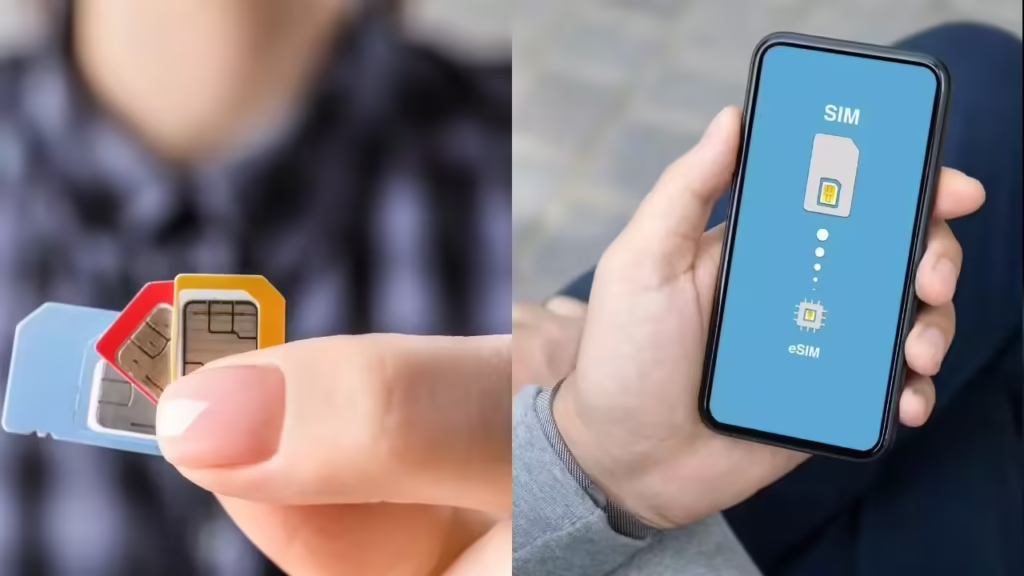
A eSIM vs Physical SIM is a small removable card issued by a mobile network operator. It stores subscriber information, network credentials, and basic security keys. When inserted into a phone, it allows the device to connect to the carrier’s network.
Physical SIMs come in different sizes such as standard SIM, micro SIM, and nano SIM. Today, nano SIM is the most common format.
How Physical SIMs Work
When you insert a physical SIM into a phone, the device reads the stored subscriber identity. The network then verifies this identity and grants access to voice, messaging, and data services. The SIM acts as a bridge between the phone and the carrier.
Because the SIM is removable, it can be easily transferred from one phone to another, making it a flexible option for users who switch devices often.
History of Physical SIM Cards
Physical SIM cards have been used since the early days of GSM networks. Over the years, they have become smaller but have largely remained the same in functionality. This long history has made them widely supported and familiar to users and carriers alike.
What Is an eSIM?
Definition and Core Concept
An eSIM, or embedded SIM, is a digital SIM that is built directly into the device’s hardware. Unlike a physical SIM, it cannot be removed. Instead, it is programmed remotely by the mobile carrier using software-based activation.
An eSIM vs Physical SIM can store multiple carrier profiles, allowing users to switch between networks without physically changing a SIM card.
How eSIM Technology Works
With an eSIM vs Physical SIM, the carrier provides a digital profile that is downloaded onto the device. This profile contains the same information as a physical SIM, including subscriber identity and network credentials.
Activation typically involves scanning a QR code or using a carrier app. Once activated, the device connects to the network just like it would with a physical SIM.
Evolution of eSIM Adoption
eSIM vs Physical SIM technology was introduced to support modern device designs and connected ecosystems. It first appeared in smartwatches and IoT devices and later expanded to smartphones, tablets, and laptops. Adoption is growing, but availability still varies by region and carrier.
Key Differences Between eSIM and Physical SIM
Installation and Setup
Physical SIMs require manual insertion into a SIM tray. This process involves ejecting the tray, placing the SIM correctly, and reinserting it into the device.
eSIM vs Physical SIM eliminate this step entirely. Setup is done digitally, often within minutes. This makes eSIMs especially convenient for users who prefer a quick and tool-free setup.
Portability and Device Switching
A physical SIM can be removed and inserted into another compatible phone. This makes it ideal for users who frequently change devices or use multiple phones.
An eSIM vs Physical SIM is tied to the device. While you can transfer an eSIM profile to a new phone, the process depends on carrier support and may take more steps.
Network Switching and Multiple Profiles
eSIM vs Physical SIM allow multiple network profiles to be stored on a single device. You can switch between them in settings without replacing hardware.
Physical SIMs usually support only one network at a time, unless the phone has dual SIM slots.
Device Design and Space Efficiency
By eliminating the SIM tray, eSIM vs Physical SIM free up internal space inside the device. Manufacturers can use this space for larger batteries, better components, or slimmer designs.
Physical SIMs require a dedicated slot, which takes up valuable internal space.
Advantages of eSIM
Convenience and Speed
eSIM vs Physical SIM allow instant activation without waiting for a physical card. This is particularly useful when purchasing a new plan or switching carriers quickly.
Better for Travel
Travelers benefit greatly from eSIMs. You can download a local or international data plan before or after arriving at your destination, without searching for a local SIM card.
Enhanced Security
Since eSIM vs Physical SIM cannot be physically removed, they are less vulnerable to theft or tampering. This can help prevent unauthorized SIM swapping.
Support for Multiple Numbers
Many devices support using an eSIM vs Physical SIM. This allows users to maintain personal and work numbers on the same device without carrying two phones.
Disadvantages of eSIM
Limited Carrier Support
Not all carriers support eSIM vs Physical SIM, especially in smaller markets. This can limit your options depending on where you live.
Device Compatibility
Older devices and budget phones may not support eSIM vs Physical SIM. Users with such devices must rely on physical SIMs.
More Complex Repairs
If your phone has hardware issues, transferring an eSIM vs Physical SIM to a new device can be more complicated than simply moving a physical SIM.
Dependence on Digital Systems
Activating or transferring an eSIM vs Physical SIM requires internet access and carrier systems. In rare cases, technical issues can delay activation.
Advantages of Physical SIM
Universal Acceptance
Physical SIMs are supported almost everywhere. Most carriers, devices, and regions rely on physical SIM cards as the standard option.
Easy Device Transfer
Switching phones is straightforward. You simply move the SIM card to the new device.
Simplicity and Familiarity
Many users are comfortable with physical SIMs because they have been using them for years. There is no learning curve or dependency on digital activation.
Ideal for Backup and Testing
Physical SIMs are useful for testing devices, using temporary numbers, or maintaining backup connections.
Disadvantages of Physical SIM
Risk of Damage or Loss
Physical SIM cards can be lost, damaged, or inserted incorrectly, leading to connectivity issues.
Slower Network Switching
Changing carriers or plans usually requires visiting a store or waiting for a replacement SIM.
Takes Up Space
The SIM tray occupies internal space, limiting design flexibility for manufacturers.
Less Secure
Physical SIMs can be removed and misused, increasing the risk of SIM swap fraud.
eSIM vs Physical SIM for Different User Types
Frequent Travelers
Travelers benefit more from eSIM vs Physical SIM due to easy access to local data plans and the ability to switch profiles without changing SIM cards.
Business Professionals
Users managing multiple numbers often prefer eSIM vs Physical SIM combined with a physical SIM, offering flexibility and organization.
Budget and Rural Users
In regions with limited eSIM support, physical SIM remains the more reliable choice.
Tech Enthusiasts
Early adopters and users of flagship devices may prefer eSIM vs Physical SIM for its modern approach and future readiness.
Impact on Mobile Network Operators
Operational Efficiency
eSIM vs Physical SIM reduces the need for manufacturing and distributing physical SIM cards, lowering operational costs for carriers.
Customer Retention Challenges
Because switching carriers is easier with eSIM vs Physical SIM, operators may face increased competition and churn.
New Service Opportunities
eSIM enables innovative plans, instant activations, and flexible pricing models.
Security and Privacy Considerations
SIM Swap Risks
While eSIM vs Physical SIM theft, it is still vulnerable to account-based attacks if proper security measures are not in place.
User Control
Both SIM types rely on carrier systems for security. Strong authentication and user awareness remain essential.
Data Protection
eSIM vs Physical SIM profiles are encrypted and managed digitally, offering a modern security framework when implemented correctly.
eSIM and the Future of Connectivity
Role in IoT and Smart Devices
eSIM vs Physical SIM is essential for connected devices such as smartwatches, cars, and industrial sensors. Its remote management capabilities make large-scale deployments practical.
Move Toward SIM-Less Devices
Some manufacturers are exploring devices that rely entirely on eSIM vs Physical SIM slots altogether.
Standardization and Global Adoption
As more carriers support eSIM vs Physical SIM it is expected to become the default option for future devices.
Making the Right Choice
Factors to Consider
When choosing between eSIM vs Physical SIM, consider your location, carrier support, device compatibility, and personal usage habits.
Hybrid Approach
Many users benefit from a hybrid setup, using both eSIM vs Physical SIM on the same device.
Long-Term Perspective
eSIM represents the future of mobile connectivity, but physical SIM remains relevant and reliable for now.
Conclusion
The choice between eSIM vs Physical SIM is not about which is better overall, but which is better for you. eSIM offers convenience, flexibility, and future-ready technology, while physical SIM provides universal support, simplicity, and easy device switching.
As mobile technology continues to evolve, eSIM adoption will grow, but physical SIMs will continue to play an important role for years to come. Understanding their differences allows you to make an informed decision that fits your lifestyle, travel needs, and device usage.
Both options are valid, and in many cases, using them together provides the best of both worlds.
